Stop Drafts Before You Insulate for Jersey City homes
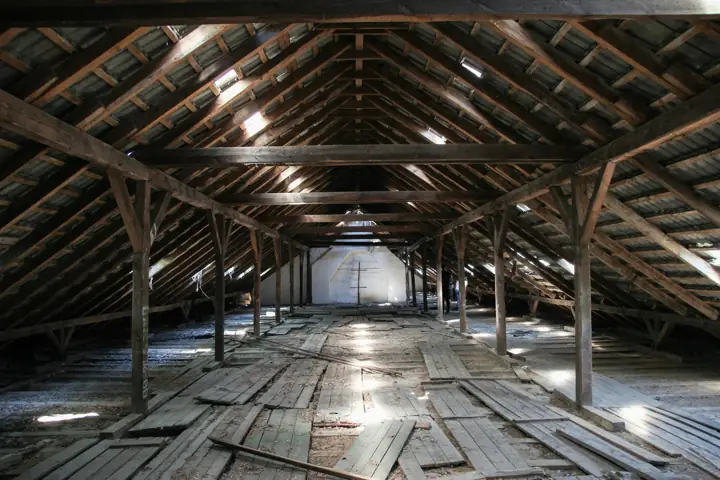
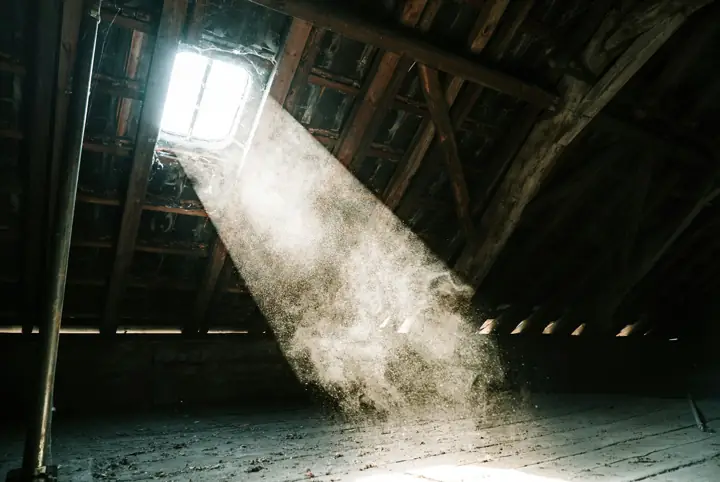
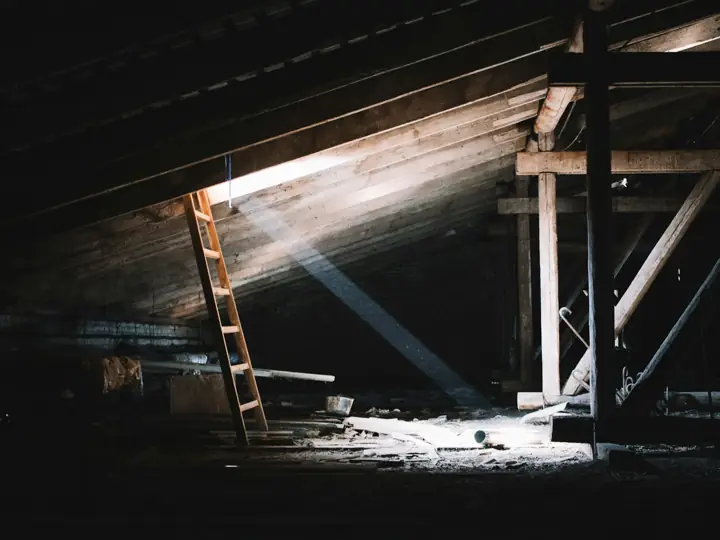
Every wire, pipe, flue, recessed light and wall top that passes into the attic leaves a gap. Together they add up to a hole the size of a small window, and in winter warm air pours out through it, pulling cold air in at the bottom of the house. Fiberglass insulation lying on top filters that air but barely slows it down.
We measure air leakage with a blower door, then seal gaps at top plates, plumbing and wiring penetrations, chimney and flue chases with fire-rated materials, and around the attic hatch. A final blower door test shows how much leakage we've eliminated, and the attic is then ready for new insulation.
Signs it's time to call
- Drafty rooms even with closed windows
- Dirty, darkened spots on attic insulation where air leaks through
- Ice dams on the roof in winter
- Unsealed recessed lights in top-floor ceilings
- Planning to add attic insulation
How we do it
- Blower door test to measure whole-house air leakage
- Insulation moved aside to locate bypasses
- Gaps sealed with foam, caulk and fire-rated materials
- Attic hatch weatherstripped and insulated
- Final blower door test with before-and-after results
What you get
Fewer drafts
Stopping the stack effect makes the whole house feel tighter.
Bigger savings
Air sealing multiplies the benefit of any insulation you add.
Fewer ice dams
Less warm air reaching the roof deck in winter.
Many Jersey City customers pair attic air sealing with attic insulation or blown-in insulation, so both can be handled in one visit.
Have a question about your home? Send us the details and we'll reply with honest advice and a written quote, or call (201) 459-9050 any time.